Chengdu travel and Chengdu tour
On arrival at Chengdu airport, railway station or long distance bus terminal, our representative will meet you for your transfer to your hotel in Chengdu, you will have an escorted tour with your private tour guide and a 7-seat air-conditioned van with driver.
|
| Chengdu Highlights Trip 7 days |
from $1,137.00 USD |
|
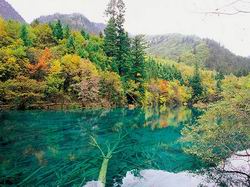
Chengdu has profound historical and cultural heritages. You will be captivated by its historic sites and natural beauty such as Mt. Leshan and Emei as well as Jiuzhaigou.
Destinations: Chengdu |
|
|
| |
|
|
| China Tibet Overland Tour to Kathmandu 19 days |
from $3,064.00 USD |
|
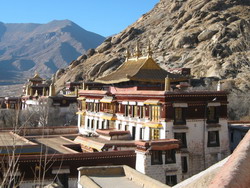
Enjoy the different culture relics in Beijing, Xian, Chengdu and Buddhism culture in Tibet, witness the gorgeous glacier at plateau, plus a spectacular excursion to Nepal Kathmandu, this tour leaves you a forever memory.
Destinations: Beijing , Xian , Chengdu , Lhasa , Gyantse , Shigatse , Kathmandu |
|
|
| |
|
|
| Tibet and Central Kingdom Tour 19 days |
from $2,753.00 USD |
|
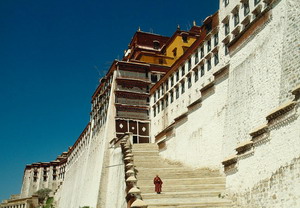
Tibet has long been a favored destination for tourists from around the world. You may find so much natural beauty & finest examples of natural beauty in Tibet and other parts of China.
Destinations: Beijing , Xian , Lhasa , Chengdu , Guilin , Shanghai |
|
|
| |
|
|
| Leshan Giant Buddha and Mount Emei Tour 4 days |
from $330.00 USD |
|
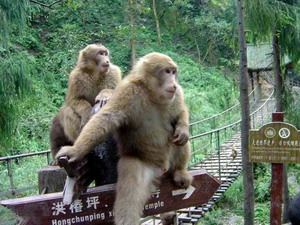
Leshan Buddha is the largest Buddha in the world, about 71 meters high. It started to be carved in 713 A.D and finished 90 years later. Mt. Emei is one of the most famous mountains for Buddhism in China, a young lady's eyebrows.
Destinations: Chengdu |
|
|
| |
|
|
| Chengdu Culture and Leshan Buddha Tour 4 days |
from $350.00 USD |
|
Chengdu has a profound historical and cultural heritage. You will be captivated by its historic sites and natural beauty such as Mt. Leshan, Sanxingdui Museum and the magic Facial Mask Changing Show.
Destinations: Xian , Chengdu |
|
|
| |
|
|
| Chengdu Mount Emei and Dujiangyan Tour 5 days |
from $449.00 USD |
|
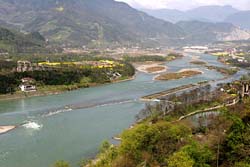
On May 12th, 2008, an eight-magnitude earthquake shook the whole Himalaya Fracture Zone due to a breakpoint right beneath Yingxiu, a booming town by Minjiang River, the largest branch of Yangtze River. Sichuan Dujiangyan Irrigation System withstanded the earthquake...
Destinations: Chengdu |
|
|
|

 Chengdu travel and Chengdu tour